Solar Asset Finance — Own the System, Keep the Tax Relief
Fund commercial solar without the capex. Unlike a PPA, you own the system — so the capital allowances and Smart Export Guarantee income stay with your business. Every route compared side by side, with the total cost of credit in pounds.
- You own the asset
The tax relief and the export income belong to whoever owns the system
That is the whole case for asset finance. A Power Purchase Agreement needs no capital, but the funder owns the panels — so they bank the capital allowances and the Smart Export Guarantee income, and you buy your own roof's electricity back for 15–25 years.
Fund the same system through hire purchase, an equipment loan, or cash and you are the owner: the Annual Investment Allowance (100% on up to £1m), the export payments and every kilowatt of bill saving stay with your business. The finance ends in 2–7 years; the asset generates for 25-plus. We model both routes in pounds so the gap is impossible to miss.
- You own the system — so the capital allowances and Smart Export Guarantee income stay with you, not a PPA provider
- Not a lender and not an installer — so there is no product of our own to sell you, only the structure that fits your balance sheet
- We model the AIA vs 50% first-year allowance decision correctly — solar is special-rate, not full-expensing
- Repayments modelled against your own energy saving, so you can see whether the project actually funds itself

How the five funding routes compare
| Hire purchase Own at the end | Finance lease Lessor owns | Operating lease Rental / use | Cash purchase Buy outright | PPA Third party owns | |
|---|---|---|---|---|---|
| You own the system | |||||
| You claim the capital allowances | Lessor | ||||
| You keep the SEG export income | |||||
| Capex required up front | Low | Low | Low | Full | None |
| On your balance sheet | From 2026 | ||||
| Free electricity after the term | Optional |
Five ways to fund commercial solar — plus refinance
Each route suits a different balance sheet and tax position. We model all of them side by side, then set out which one fits and why.
 Most popular
 Hire Purchase
Spread the cost, own the system at the end, and claim the capital allowances as if you bought it for cash. (2–7 years).

Finance Lease
Use the system and deduct the rentals; the lender owns it and usually passes the tax-allowance benefit back through lower payments. (3–10 years).
Operating Lease
The lowest-commitment rental route — pay for use, deduct the rentals, hand it back or extend at the end. (3–7 years).
Capital Purchase
Buy outright for the best lifetime return — the benchmark every financed route is measured against. (n/a — single payment).
Refinance & Sale-and-Leaseback
Release the capital tied up in a solar system you already own, then keep using it under a lease. (3–8 years).

Green Equipment Loan
An unsecured or lightly-secured business loan for solar — you own the kit outright from day one. (1–7 years).
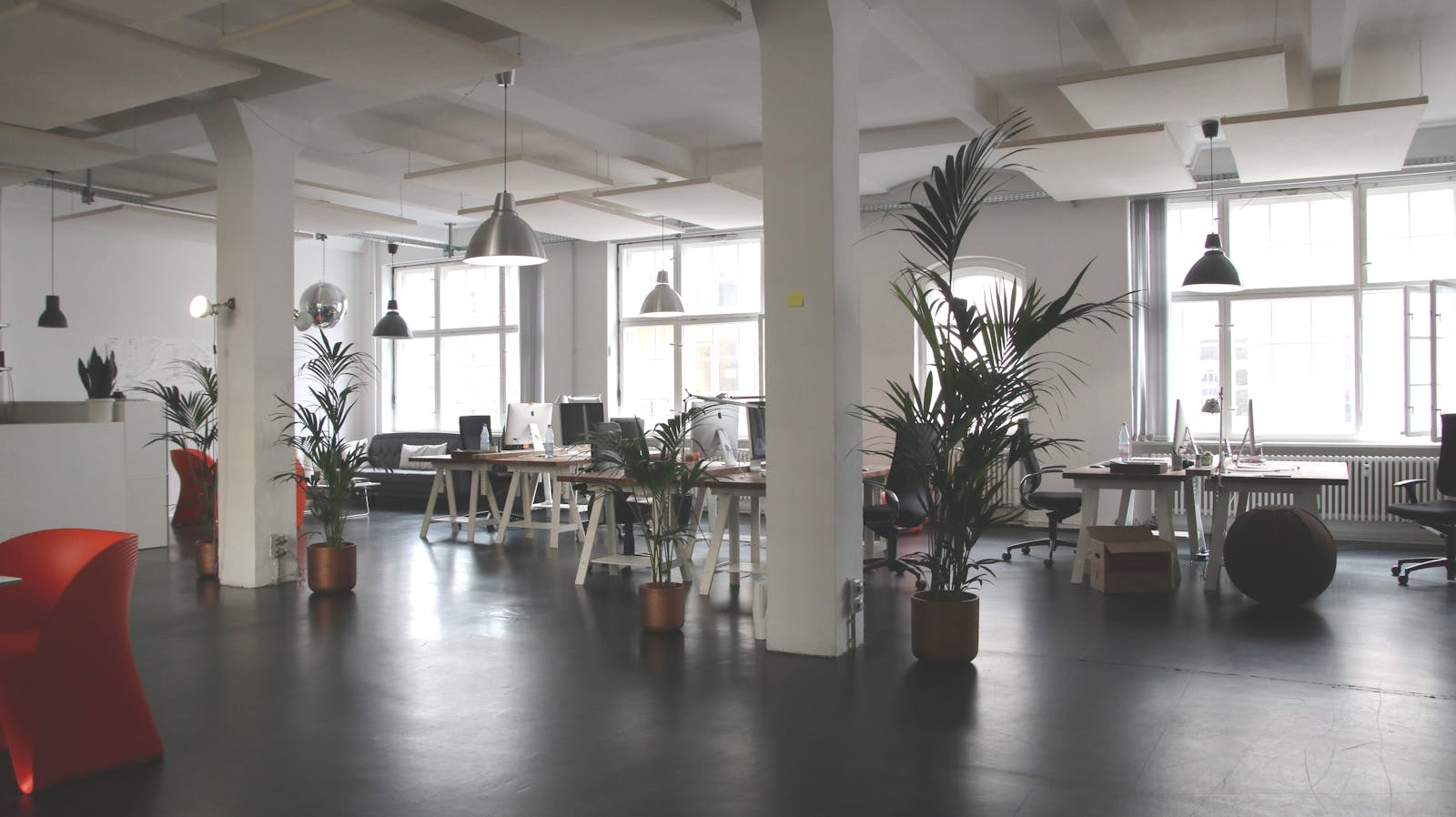
£180,000 rooftop solar funded by hire purchase for a Midlands manufacturer
Illustrative example, not a client project. A family-owned engineering firm wanted a 165 kW rooftop system but didn't want to take £180k out of working capital. Electricity spend was £62,000 a year and rising.
Finance that pays for itself
From enquiry to drawdown — finance aligned to your install
We model the project, match the structure to your accounts, and release funds on commissioning, not before.
- 01Day 1–3
Model the project
We size the system from your bills or half-hourly data and produce a like-for-like comparison of cash, hire purchase, lease and PPA.
- 02Day 3–7
Choose the structure
We recommend the route that fits your balance sheet and tax position, and confirm the capital-allowance treatment with your accountant.
- 03Week 1–2
Finance approval
We place the deal with funders and come back with an indicative position as soon as they respond.
- 04Month 1–4
Install & drawdown
Your MCS-certified installer fits the system; the funder releases payment on commissioning so you never pay for an asset that is not yet generating.
Solar is special-rate — so it is AIA or 50% FYA, not full expensing
One of the most common errors in solar sales material is claiming the system qualifies for 100% full expensing. It does not: solar PV is special-rate expenditure, which full expensing specifically excludes.
What it does qualify for is the Annual Investment Allowance at 100% up to £1m a year, and the 50% first-year allowance on spend above that — both now permanent. Whether you can actually use that relief depends on the finance structure, which is exactly why the route you choose matters. We model it correctly, with your accountant.
- AIA: 100% relief on up to £1m of qualifying solar spend
- 50% first-year allowance on special-rate spend above the cap (companies only)
- Hire purchase & loans: you claim it. Finance lease: usually the lessor. PPA: the funder.
- FRS 102 changes from January 2026 move most leases onto the balance sheet

Business solar finance is assessed differently from a domestic 0% deal
Search for solar finance and most of what comes back is aimed at households: a supplier offering to spread the cost of a domestic installation, often at a headline 0%. None of it applies to a company, and the differences are worth knowing before you compare quotes.
You are assessed on the business, not a credit score. Commercial funders look at your filed accounts, trading history and balance sheet, and on larger projects at the cash flows of the project itself. That is why a thin-file young company and a long-established one with the same turnover get very different pricing — and why a personal credit check is not part of it.
Ownership decides the tax, and the tax is usually the biggest number. Solar is special-rate expenditure, so an owner claims the Annual Investment Allowance at 100% on up to £1m of qualifying spend a year — available to sole traders, companies, and partnerships whose members are all individuals — with the 50% first-year allowance above that for companies only. A household cannot claim any of this; a profitable company can turn up to a quarter of the cost into relief. Which route you choose decides whether the relief is yours at all, as our capital allowances guide sets out.
"0%" means something different here. In commercial asset finance a genuine 0% rate is rare, and where a headline 0% exists the cost has usually moved into the price. The number to compare is the total cost of credit — every repayment added up, minus the amount financed — and any funder should give you that figure in writing. We set out the differences in full in why a domestic 0% solar deal doesn't work for a business. You can model the owned side yourself on the solar finance calculator.
And the choice is not simply lease or buy. For a business there are five routes with different tax, VAT and balance-sheet consequences. If you are weighing rental against ownership, start with solar panel lease vs buy; if a funder has offered to own the system and sell you the power, compare that on asset finance vs a PPA. Farming businesses have their own wrinkle — the 50% first-year allowance is open only to companies, so a farm trading as a sole trade or a partnership relies on the AIA plus writing-down allowances — covered on solar finance for farms.
Solar asset finance, answered
The questions we hear most from finance directors and owner-managers.
What is solar asset finance?
Solar asset finance is a way of funding a commercial solar system so you pay for it over time rather than all at once, while still owning (or using) the equipment. Common structures are hire purchase, finance lease, operating lease, an equipment loan, or refinance and sale-and-leaseback of a system you already own. The repayment is usually structured to sit below the energy saving the system delivers, so the project is cash-flow positive from the start.
Is solar asset finance better than a PPA?
For most profitable businesses, yes — over the asset's life. A Power Purchase Agreement needs no capital, but the funder owns the system and keeps the capital allowances and the Smart Export Guarantee income, and you buy power back for 15–25 years. With asset finance you own the system, keep the tax relief and export income, and once the (typically 2–7 year) term ends your generation is effectively free. We model both routes in pounds so you can compare.
Can I claim capital allowances if I finance solar panels?
It depends on the structure. Under hire purchase or an equipment loan, HMRC treats you as the owner, so you can claim the Annual Investment Allowance (100% up to £1m) or the 50% first-year allowance on the full cost. Under a finance lease the lessor usually claims the allowances and reflects the benefit in lower rentals; under an operating lease there are no allowances for you, but the rentals are a deductible expense.
Does solar qualify for full expensing?
No. Solar PV is classed as special-rate (integral-feature) expenditure, and 100% full expensing applies only to main-rate plant and machinery. Solar instead qualifies for the Annual Investment Allowance at 100% up to £1m a year, and for the 50% first-year allowance above that. Both are now permanent. A lot of solar sales material gets this wrong — we model it correctly with your accountant.
How much does it cost to finance commercial solar?
Finance rates depend on your covenant strength, the term and the structure, but the test that matters is whether the monthly repayment is lower than the energy the system saves you. On most £30k–£1m projects over a 5–7 year term it is, which is why they are cash-flow positive from month one. We show the total cost of credit in writing and compare it against paying cash.
What's the difference between hire purchase and a finance lease for solar?
With hire purchase you are treated as the owner from the start: you claim the capital allowances, the asset is on your balance sheet, and title transfers to you at the end for a nominal fee. With a finance lease the lessor owns the asset and usually claims the allowances (passing the benefit back as lower rentals), VAT is spread across the rentals rather than paid up front, and you use rather than own the system.
Will financed solar appear on my balance sheet?
Hire purchase, equipment loans and finance leases sit on the balance sheet. Operating leases were historically off balance sheet, but under the revised FRS 102 — effective for accounting periods beginning on or after 1 January 2026 — most leases come on balance sheet as a right-of-use asset and lease liability, with only short-term and low-value exemptions. Speak to your accountant about how this affects your covenants.
Solar asset finance across the UK
We arrange finance for commercial solar nationwide. Explore local business and energy context for the areas we cover most.
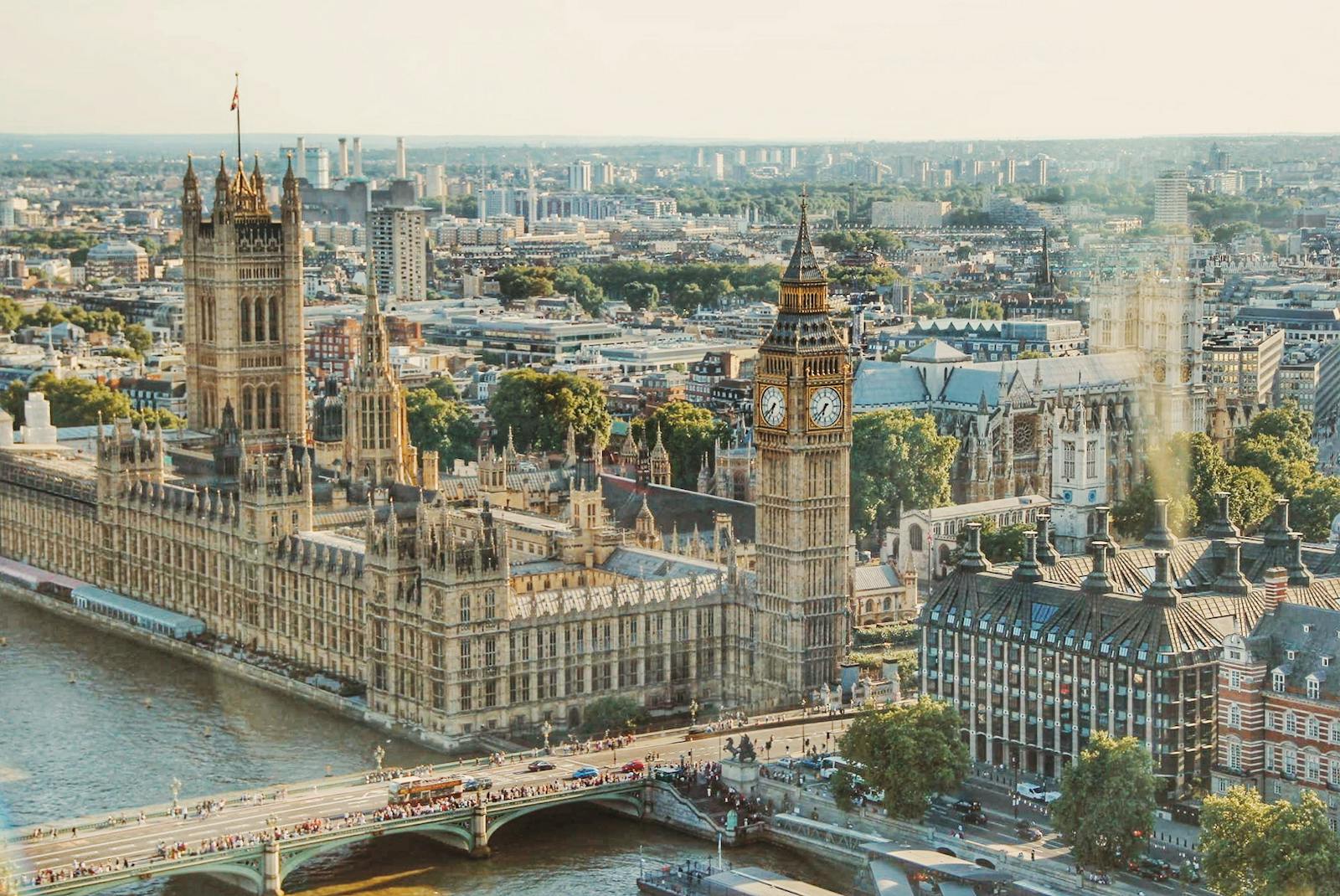
London
Greater London. Greater London Authority — net zero target 2030.
Birmingham
West Midlands. Birmingham City Council — net zero target 2030.

Leeds
West Yorkshire. Leeds City Council — net zero target 2030.

Sheffield
South Yorkshire. Sheffield City Council — net zero target 2030.
Manchester
Greater Manchester. Manchester City Council — net zero target 2038.
Bradford
West Yorkshire. Bradford Council — net zero target 2038.
Where we send people
We arrange the funding and nothing else. When a job needs something we do not do, these are the people we point at — some of them are sites we also operate.
- Scottish sites are handled by an installer who publishes their own solar panel finance terms.
- In the East of England, the equivalent local view is set out by Lumos Energy.
- If the roof is full, the usual answer is car-park cantilever canopy structures.
- For the build itself in the East Midlands we work alongside D&R Energy.
Get your free solar finance comparison
We model cash, hire purchase, lease and a PPA from your numbers — net of the capital allowances — and set out the total cost of credit in writing.